5 Tiny Kitchen Living Cooking Lessons I Learned From a 200-Sq-Ft Kitchen
Cooking in a 200-square-foot kitchen may sound like a limitation, but for many people living in studio apartments, micro-homes, or city lofts, it’s simply reality. When I first moved into my small apartment, the kitchen barely had room for two people to stand side by side. The counter space was minimal, the storage was limited, and every utensil had to justify its existence.
At first, cooking felt like a daily challenge. I constantly bumped into cabinets, struggled with clutter, and had to juggle multiple tasks in a tiny space. But over time, something interesting happened. Instead of seeing my kitchen as a problem, I began to treat it as a system to optimize.
Slowly, I discovered that cooking in a tiny kitchen teaches powerful lessons about efficiency, organization, creativity, and simplicity. These lessons not only improved how I cook but also changed how I approach food preparation entirely.
This article explores the five most powerful cooking lessons I learned while cooking in a 200-sq-ft kitchen, along with practical tips, real examples, and helpful tables that make small-kitchen cooking easier and more enjoyable.
Lesson 1: Every Inch of Counter Space Matters
In a large kitchen, it’s easy to spread out ingredients, appliances, and utensils. In a tiny kitchen, counter space becomes your most valuable resource.
My 200-sq-ft kitchen had less than 4 feet of usable counter space. At first, cooking felt impossible. But eventually I realized something important:
Cooking in small spaces is less about space and more about workflow.
Instead of crowding everything onto the counter, I started using a step-by-step staging system.
The Counter Space Staging Method
Cooking Stage What Goes on Counter What Stays Stored
Prep Stage Cutting board, knife, ingredients Appliances, utensils
Cooking Stage Pan/pot, oil, seasoning Prep bowls
Finishing Stage Plates, garnish items Everything else
By rotating items on and off the counter, I could cook full meals without clutter.
Small Kitchen Counter Tricks
Trick Why It Works
Use a cutting board over the sink Instantly adds prep space
Store appliances vertically Frees up counter area
Use stackable bowls Saves space during prep
Prep ingredients first Reduces clutter while cooking
What I Learned
A small kitchen forces you to think about movement. Every item should have a place and purpose.
When your space is limited, your cooking becomes more intentional and organized.
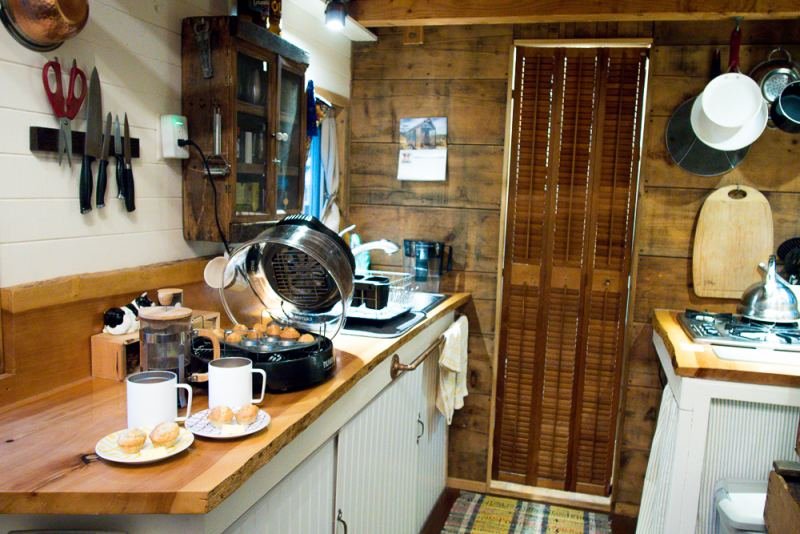
Lesson 2: One Pan Can Replace Half Your Cookware
Before moving into a small apartment, my kitchen cabinets were full of pots and pans. I had:
3 frying pans
4 saucepans
a large stockpot
a grill pan
a wok
In a tiny kitchen, storing all of this simply wasn’t possible.
So I experimented with multi-purpose cookware, and one pan changed everything.
The Multi-Purpose Pan Strategy
A large 10-12 inch skillet or sauté pan can handle nearly every cooking task.
Dish Type Can Be Cooked in One Pan?
Eggs & breakfast foods Yes
Stir-fry meals Yes
Pasta sauces Yes
One-pan dinners Yes
Pan pizza Yes
Shallow frying Yes
Instead of using different pots, I learned to cook complete meals in a single pan.
Example: One-Pan Chicken & Veggie Dinner
Step Cooking Action
1 Sauté chicken in skillet
2 Remove and set aside
3 Cook vegetables
4 Add sauce & seasoning
5 Return chicken and simmer
This method keeps the kitchen clean and uses minimal tools.
Benefits of One-Pan Cooking
Benefit Impact
Less cleaning Saves time
Less storage Fewer cabinets needed
Faster cooking Efficient workflow
Less clutter Perfect for small kitchens
What I Learned
A tiny kitchen teaches you that you don’t need dozens of tools to cook great food. You just need the right tools.
Lesson 3: Prep Like a Chef Before Cooking
In professional kitchens, chefs rely on a system called mise en place, which means everything in its place.
At first, I ignored this idea and chopped vegetables while cooking. In a large kitchen, that works fine. In a tiny kitchen, it quickly becomes chaotic.
So I adopted the chef’s method.
Mise en Place for Tiny Kitchens
Before turning on the stove, I prepare everything:
Chop vegetables
Measure spices
Portion sauces
Prepare proteins
Once cooking starts, everything flows smoothly.
Example Prep Layout
Prep Item Container
Chopped onions Small bowl
Garlic Prep dish
Spices Mini ramekin
Sauce mixture Measuring cup
Even in a small kitchen, this method prevents stress and clutter.
Cooking Time Comparison
Cooking Method Average Time
Prep while cooking 35 minutes
Prep first, cook later 25 minutes
Preparing ingredients first saves about 10 minutes per meal.
What I Learned
A small kitchen punishes disorganization.
But with preparation, cooking becomes smooth, efficient, and enjoyable.
Lesson 4: Smart Storage Makes Cooking Possible
Storage is the biggest challenge in small kitchens.
In my 200-sq-ft kitchen, cabinet space was extremely limited. I had only:
two upper cabinets
one lower cabinet
a narrow drawer
At first, everything felt overcrowded.
Then I discovered the power of vertical storage and modular organization.
Vertical Storage Strategy
Storage Area Best Items to Store
Wall hooks Pans, ladles
Magnetic strips Knives
Shelf risers Plates, bowls
Hanging racks Cooking utensils
This simple system nearly doubled my kitchen storage capacity.
Small Kitchen Storage Chart
Storage Method Space Saved
Vertical wall racks 30%
Stackable containers 20%
Drawer dividers 10%
Magnetic knife strips 15%
Total estimated space saved: 75% more usable storage.
What I Learned
Small kitchens require creative organization.
When you use walls, vertical space, and stackable containers, even a tiny kitchen becomes functional.
Lesson 5: Simple Meals Often Taste Better
Before living in a small kitchen, I loved complex recipes with long ingredient lists.
But small kitchens change how you cook.
When storage is limited and cleanup takes effort, simple meals become the smartest option.
And surprisingly, simple meals often taste better.
The 5-Ingredient Cooking Rule
Many great meals need only a few ingredients.
Meal Core Ingredients
Garlic pasta Pasta, garlic, olive oil, parmesan
Veggie stir fry Vegetables, soy sauce, oil
Omelet Eggs, cheese, vegetables
Rice bowl Rice, protein, sauce
These meals cook quickly and require minimal equipment.
Simple Meal Advantages
Advantage Why It Matters
Faster cooking Less prep
Fewer dishes Easier cleanup
Lower cost Fewer ingredients
Less clutter Ideal for small kitchens
What I Learned
Cooking in a tiny kitchen teaches you that great food doesn’t need complexity.
Often, the best meals are simple, fresh, and quick.
Tiny Kitchen Cooking Workflow Example
Here’s how a full dinner can be cooked efficiently in a small kitchen.
Stage Task
Prep Chop vegetables
Cooking Sauté protein
Combine Add vegetables
Season Add sauce
Serve Plate meal
Total time: 25 minutes
Minimal tools needed:
1 pan
1 cutting board
1 knife
2 bowls
Essential Tools for a 200-Sq-Ft Kitchen
Instead of filling cabinets with gadgets, I learned to focus on high-value tools.
Must-Have Tiny Kitchen Tools
Tool Why It’s Essential
Chef’s knife Handles most prep
Large skillet Multi-purpose cooking
Cutting board Main prep surface
Mixing bowl Prep and serving
Measuring spoons Accurate seasoning
Five tools can handle most cooking tasks.
Sample Weekly Tiny Kitchen Meal Plan
Day Meal
Monday Chicken stir fry
Tuesday Garlic pasta
Wednesday Rice bowl with vegetables
Thursday Omelet and salad
Friday One-pan roasted veggies
Saturday Pan pizza
Sunday Simple soup
This approach keeps cooking easy and manageable in small spaces.
Common Tiny Kitchen Cooking Mistakes
Mistake Solution
Too many gadgets Keep only essentials
Cluttered counters Use staging method
Cooking without prep Prepare ingredients first
Overbuying groceries Plan meals ahead
Ignoring vertical storage Use walls and racks
Avoiding these mistakes dramatically improves the tiny kitchen experience.
Final Thoughts
Cooking in a 200-square-foot kitchen might seem restrictive at first, but it can become an incredible learning experience.
A small kitchen teaches lessons that large kitchens often hide:
Efficiency matters
Organization is powerful
Simplicity improves cooking
Creativity solves space problems
Over time, I realized that a tiny kitchen doesn’t limit cooking ability. In many ways, it improves it.
When every inch counts, you become a smarter cook, a cleaner cook, and a more thoughtful cook.
And in the end, that’s what Tiny Kitchen Living is really about: making the most of the space you have while still enjoying great food every day.
FAQs
- Can you cook full meals in a tiny kitchen?
Yes. With proper organization and one-pan cooking methods, full meals can easily be prepared in a small kitchen.
- What is the best cookware for small kitchens?
A 10–12 inch skillet or sauté pan is the most versatile piece of cookware for tiny kitchens.
- How do you increase counter space in a small kitchen?
You can increase counter space by using:
cutting boards over sinks
foldable prep boards
rolling kitchen carts
- How do chefs cook in small spaces?
Professional chefs rely on mise en place, which means preparing ingredients before cooking. This keeps the cooking process organized.
- What foods are best for tiny kitchens?
Meals that require few ingredients and one pan work best, such as stir-fries, pasta dishes, omelets, and rice bowls.
- How do you store cookware in a tiny kitchen?
Use vertical storage solutions like wall hooks, magnetic knife strips, and hanging racks to maximize space.