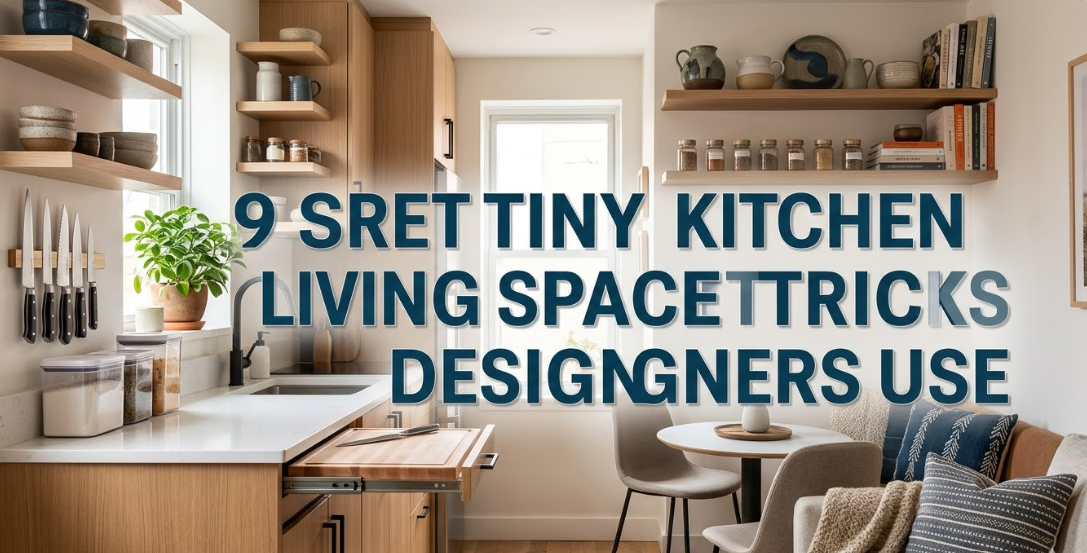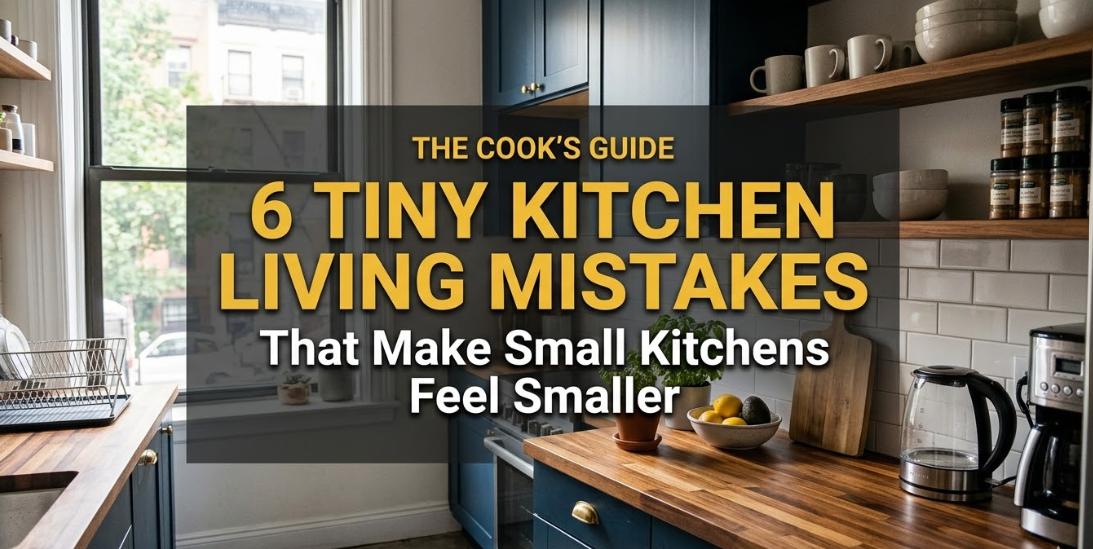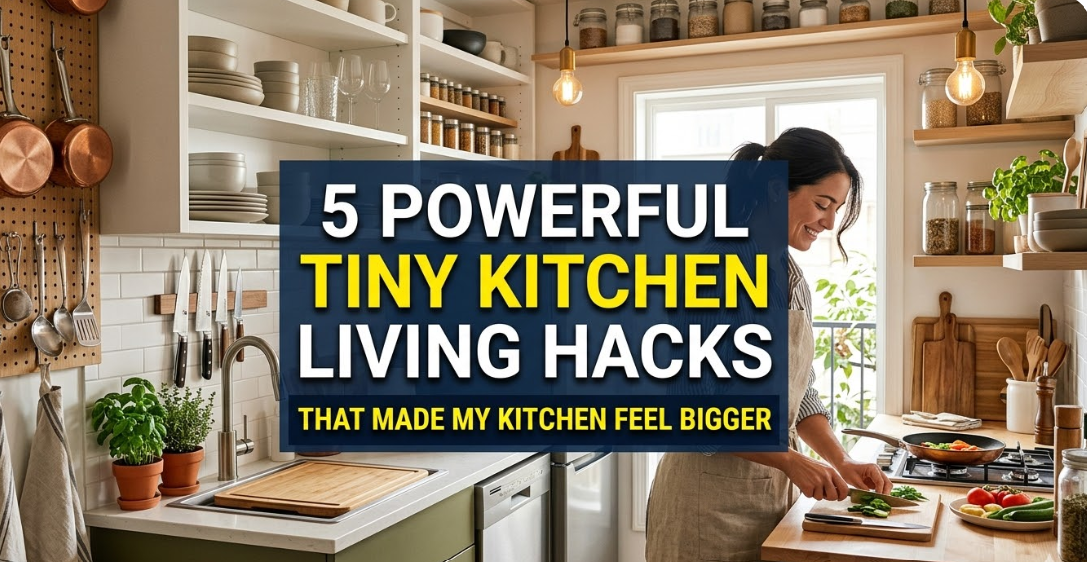
4 Tiny Kitchen Living Changes I Made That Doubled My Kitchen Space
Living with a tiny kitchen can feel like solving a puzzle every single day. When every cabinet is packed, every drawer is overflowing, and the countertop disappears under appliances, cooking becomes stressful instead of enjoyable. I faced exactly that problem when I moved into a small studio apartment with a kitchen that barely had room for two pans and a cutting board.
At first, I thought the only solution was moving to a larger place. But after months of experimenting, organizing, and changing how I used my kitchen, something surprising happened: my kitchen suddenly felt twice as big.
The space itself did not change. The walls did not move. But the way I organized, stored, and used the kitchen completely transformed it.
In this guide, I’ll walk through the four Tiny Kitchen Living changes that dramatically increased my usable kitchen space. These changes are simple, affordable, and realistic for anyone living with a small kitchen.
You will also find practical tables, planning charts, and organization systems you can use in your own kitchen.
Understanding the Real Problem With Small Kitchens
Before discussing solutions, it’s important to understand a key truth:
Most small kitchens are not actually too small — they are poorly organized.
Tiny kitchens typically suffer from three common issues:
- Unused vertical space
- Duplicate or unnecessary tools
- Poor storage structure
Once these issues are addressed, even a compact kitchen can become extremely functional.
Typical Space Usage in Small Kitchens
| Kitchen Area | Average Use | Potential Use |
|---|---|---|
| Upper cabinets | 60% used | 95% possible |
| Lower cabinets | 70% used | 90% possible |
| Wall space | 10% used | 80% possible |
| Cabinet doors | 0–5% used | 50% possible |
| Countertop | 90% cluttered | 40–50% ideal |
The biggest opportunity is vertical storage and hidden storage zones.
Change #1: I Started Using Vertical Storage Everywhere
The biggest mistake I made early on was thinking only in horizontal space.
Shelves, counters, and cabinets seemed full, but the walls were empty.
Once I started using vertical storage systems, the entire kitchen changed.
What Is Vertical Storage?
Vertical storage simply means using wall height instead of floor space.
Examples include:
- Wall-mounted racks
- Magnetic knife strips
- Hanging utensil rails
- Tall shelving
- Stackable storage containers
Before vs After Using Vertical Storage
| Area | Before | After |
|---|---|---|
| Countertop space | 90% occupied | 50% occupied |
| Cooking tool access | Difficult | Easy |
| Kitchen workflow | Cluttered | Organized |
| Visual space | Crowded | Open |
The 5 Vertical Storage Tools That Helped Most
| Tool | What It Stores | Space Saved |
|---|---|---|
| Magnetic knife strip | Knives | One drawer |
| Hanging rail | Utensils | Half drawer |
| Wall shelf | Oils & spices | Counter space |
| Pegboard | Tools & pans | Cabinet space |
| Tall pantry rack | Dry goods | Two cabinets |
Why Vertical Storage Works
Vertical storage works because walls are the most underused area in small kitchens.
Most people use only 10–20% of wall space, leaving huge storage potential unused.
Once you begin storing items vertically, cabinets and drawers suddenly feel much larger.
Change #2: I Switched to Stackable Containers
The second change that doubled my kitchen space was replacing mismatched containers with stackable storage systems.
Previously, my cabinets looked like this:
- Random jars
- Different container sizes
- Lids that didn’t match
- Wasted air gaps between items
Stackable containers solved all of that.
Why Stackable Storage Is Powerful
Stackable containers eliminate wasted vertical space inside cabinets and shelves.
Instead of this:
Jar
(empty space)
Jar
(empty space)
Jar
You get this:
Container
Container
Container
Container
Storage Efficiency Comparison
| Storage Method | Space Used | Items Stored |
|---|---|---|
| Random jars | 100% | 10 items |
| Stackable containers | 100% | 18–22 items |
That means nearly double the storage capacity.
My Pantry Container System
| Container Size | Food Stored |
|---|---|
| Small | Spices |
| Medium | Rice, lentils |
| Large | Flour, sugar |
| Tall | Pasta |
Clear containers also make it easier to see what you have, reducing food waste.
Change #3: I Removed Half My Kitchen Items
This change was the most difficult but also the most effective.
I realized something surprising:
I only used about 30% of my kitchen tools regularly.
The rest were just taking up space.
So I removed them.
My Kitchen Decluttering Rule
If I had not used an item in 90 days, it went into a donation box.
Examples of items I removed:
- Duplicate spatulas
- Unused appliances
- Extra mugs
- Old containers
- Random gadgets
Kitchen Declutter Results
| Category | Before | After |
|---|---|---|
| Cooking utensils | 22 | 10 |
| Plates & bowls | 24 | 12 |
| Mugs | 15 | 6 |
| Containers | 30 | 15 |
Suddenly:
- Drawers closed easily
- Cabinets had breathing room
- Cooking felt faster
Minimalism in the kitchen isn’t about having less — it’s about having exactly what you use.
Change #4: I Created “Kitchen Zones”
The final change that transformed my kitchen was organizing everything into zones.
Instead of storing items randomly, each area of the kitchen had a purpose.
The 5 Kitchen Zones System
| Zone | Location | Items Stored |
|---|---|---|
| Cooking zone | Near stove | Pans, spatulas |
| Prep zone | Counter area | Cutting boards |
| Pantry zone | Cabinets | Dry ingredients |
| Cleaning zone | Sink area | Soap, sponges |
| Coffee/tea zone | Small corner | Mug, kettle |
This system reduces movement while cooking.
Instead of searching through multiple cabinets, everything needed for a task is in one location.
Kitchen Workflow Comparison
| Task | Before | After |
|---|---|---|
| Making breakfast | 6 steps | 3 steps |
| Cooking dinner | 10 steps | 5 steps |
| Cleaning | 5 steps | 2 steps |
Less movement = more usable space.
My Complete Tiny Kitchen Layout Strategy
After applying all four changes, my kitchen layout looked like this:
Efficient Tiny Kitchen Layout
| Area | Storage Method |
|---|---|
| Walls | Hooks, racks |
| Upper cabinets | Stackable pantry containers |
| Lower cabinets | Pots & pans |
| Drawer 1 | Utensils |
| Drawer 2 | Tools |
| Counter | Only essentials |
The result was a clean, open cooking area that felt far larger than the actual square footage.
The Tiny Kitchen Space Multiplier Formula
After months of experimentation, I noticed a pattern.
Small kitchens feel larger when you combine three factors:
| Factor | Impact |
|---|---|
| Vertical storage | 40% space gain |
| Decluttering | 30% space gain |
| Smart containers | 20% space gain |
| Zoning | 10% workflow gain |
Combined, these changes can easily make a kitchen feel two times bigger.
Tiny Kitchen Organization Checklist
If you want to apply these changes quickly, use this checklist.
Step-by-Step Plan
| Step | Task |
|---|---|
| Step 1 | Remove unused items |
| Step 2 | Install vertical storage |
| Step 3 | Replace containers with stackable ones |
| Step 4 | Create kitchen zones |
| Step 5 | Clear countertops |
Following these steps alone can dramatically transform your kitchen.
Mistakes That Make Tiny Kitchens Feel Smaller
Even after organizing, certain habits can make a kitchen feel cramped again.
1. Keeping Appliances on the Counter
Small kitchens should only keep daily-use appliances visible.
Store occasional appliances in cabinets.
2. Ignoring Cabinet Doors
Cabinet doors can hold:
- Spice racks
- Cleaning tools
- Measuring spoons
This hidden storage area is often overlooked.
3. Buying Too Many Gadgets
Multi-purpose tools are ideal for small kitchens.
Example:
| Instead Of | Use |
|---|---|
| Egg slicer | Knife |
| Garlic press | Knife |
| Multiple pans | One multipurpose pan |
Fewer tools = more space.
Budget-Friendly Tiny Kitchen Upgrades
You do not need expensive renovations to improve a small kitchen.
Affordable Organization Tools
| Item | Average Cost | Benefit |
|---|---|---|
| Wall hooks | $10 | Hanging storage |
| Magnetic knife strip | $15 | Drawer space |
| Stackable containers | $25 | Pantry organization |
| Cabinet racks | $20 | Extra shelf layer |
| Pegboard | $18 | Tool storage |
For under $100, most kitchens can gain massive storage improvements.
Psychological Benefits of an Organized Kitchen
An organized kitchen does more than save space.
It also reduces stress.
Studies show cluttered spaces can increase mental fatigue and decision overload.
Organized Kitchen Benefits
| Benefit | Impact |
|---|---|
| Faster cooking | Saves time |
| Less stress | Cleaner environment |
| Reduced food waste | Clear inventory |
| Easier cleaning | Fewer items |
Cooking becomes enjoyable again when everything has a place.
Long-Term Maintenance Tips
The key to keeping a tiny kitchen organized is maintenance habits.
Weekly Kitchen Reset Routine
| Task | Time Required |
|---|---|
| Clear counters | 2 minutes |
| Return tools | 3 minutes |
| Check pantry | 2 minutes |
| Wipe surfaces | 3 minutes |
Total time: 10 minutes per week.
Small habits prevent clutter from returning.
Final Thoughts
A tiny kitchen does not have to feel limiting.
With a few strategic changes, it can become efficient, organized, and enjoyable to cook in.
The four changes that transformed my kitchen were:
- Using vertical storage
- Switching to stackable containers
- Removing unused items
- Creating kitchen zones
Together, these changes turned a cramped space into a functional cooking environment.
The best part is that none of these solutions require expensive renovations. Most can be done in a single weekend.
If you apply even two of these changes, you will likely notice an immediate difference in how your kitchen feels and functions.
Frequently Asked Questions (FAQs)
1. How can I make a tiny kitchen feel bigger?
Use vertical storage, reduce clutter, and keep countertops clear. These changes create visual space and improve functionality.
2. What is the best storage method for small kitchens?
Stackable containers and wall-mounted racks are among the most efficient storage solutions because they maximize vertical space.
3. How many kitchen tools should a small kitchen have?
A small kitchen should ideally keep only frequently used tools. Most home cooks can manage comfortably with 10–15 essential tools.
4. Are open shelves good for tiny kitchens?
Yes. Open shelves create visual openness and make frequently used items easier to access, though they require regular organization.
5. How often should I declutter my kitchen?
A quick declutter every 3–6 months helps prevent unnecessary tools and items from accumulating again.
6. Do professional chefs organize kitchens in zones?
Yes. Professional kitchens use zoning systems to reduce movement and improve efficiency, which is why the same approach works well in small home kitchens.