When I first landed in a shoebox apartment after college, the kitchen was basically a glorified closet wedged between the bathroom and the sofa bed. Two burners, a mini fridge that hummed like an angry bee, and about eighteen inches of counter space if I was lucky. Groceries piled up on the floor, dishes stacked in the sink because there was nowhere else to put them, and every time I tried to cook something more ambitious than instant noodles I ended up frustrated, broke, and ordering takeout again. Sound familiar? I bet it does if you’re squeezed into a tiny rental, a studio, or even one of those micro-apartments popping up everywhere these days. The crazy part is, I actually learned to love cooking there once I stopped fighting the space and started working with it. No fancy gadgets, no renovation budget, just a handful of habits and tricks that kept my wallet happy and my meals tasting like real food instead of survival rations. These seven tips aren’t theory—they’re the exact things that got me through two years of tiny-kitchen life without losing my mind or my savings. They still work for me even now when I visit friends in similar setups. Let’s walk through them one by one, the way I discovered them, with the little messes and wins along the way.
- Turn walls and doors into your best friends for storage without spending a fortune
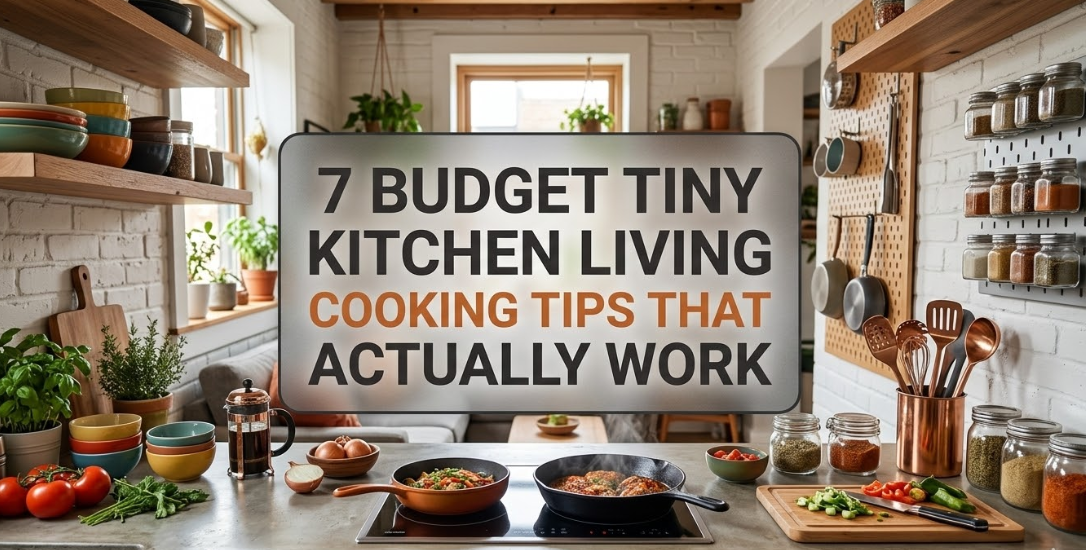
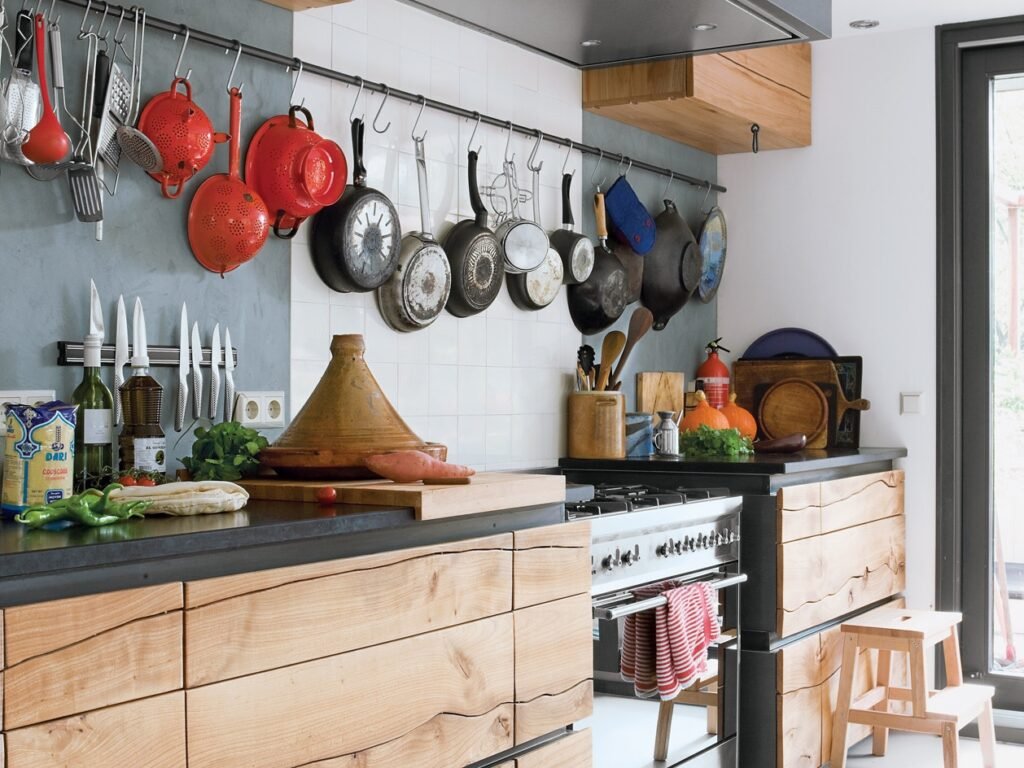
The first month I spent banging my elbows on everything. Then one rainy afternoon I stood on a chair and really looked up. Cabinets stopped at eye level, but the space above them and the backs of doors were just begging to be used. I hit the local hardware store and grabbed a couple of cheap tension rods—maybe the equivalent of five or six dollars each—and some adhesive hooks that actually stick if you clean the surface first. Slid one rod across the window above the sink and hung my two pots and one frying pan on S-hooks I bent from wire hangers. Suddenly the counter was clear. Another rod inside the cabinet door held measuring spoons and that sad little whisk I kept losing. Under the sink I used an old magazine rack turned sideways to stack lids vertically so they didn’t avalanche every time I opened the door. The best part? All of this cost less than a single delivery order. I started keeping spices in a hanging shoe organizer on the inside of the pantry door—each pocket labeled with a bit of masking tape and a marker. No more digging through a jumbled box. Now when I need cumin I just reach up and it’s there. The trick is to think like a sailor on a boat: everything has a home and nothing lives on the counter unless it’s being used right that second. I even repurposed a cheap towel rack from the bathroom section into a pot lid holder on the side of the fridge. Tiny kitchens punish horizontal clutter, so go vertical every chance you get. After a couple weeks the difference was night and day. I could actually roll out dough on the counter without first playing Tetris with appliances. And because I wasn’t buying fancy pull-out organizers, the whole system stayed under twenty bucks total. It’s not glamorous, but it works, and once you get used to reaching instead of rummaging, you’ll wonder why you ever tolerated chaos.
- Master the one-pan meal so cleanup stays under five minutes and you never run out of space
I used to think “real cooking” meant three pots going at once like some TV chef. In my tiny setup that was a fantasy and a half. The sink was tiny, the drying rack held exactly three plates, and I hated washing dishes more than anything. Then I discovered the power of doing everything in one vessel. A single deep skillet or that battered sheet pan I picked up at a yard sale became my everything tool. Take a simple weeknight dinner: I chop an onion, throw in whatever cheap protein is on sale—maybe ground meat or a couple of eggs—and pile on vegetables that cook at roughly the same speed. One pan, one heat source, and dinner is ready while I sit on the sofa scrolling my phone. The cleanup? Wipe the pan with a paper towel while it’s still warm, run it under hot water, done. No mountain of dishes mocking me from the sink. I started collecting recipes that followed this rule: fajitas where the peppers, onions, and chicken all hit the same skillet in stages, or a riff on fried rice where I push the rice to one side, scramble eggs on the other, then mix. Even pasta can work if you boil it right in the sauce after the initial water step—less water, less pot. The budget angle is huge here because you’re not burning extra gas or electricity on multiple burners, and you buy fewer ingredients since everything mingles together. I keep a running list on my fridge of “one-pan heroes” written in dry-erase marker so I can mix and match whatever’s cheap that week. Carrots on sale? Throw them in. Spinach wilting? In it goes. The flavor builds beautifully because nothing gets lost in separate pots. Sure, sometimes things stick if the heat is too high, but a quick deglaze with a splash of water or cheap vinegar fixes it. I’ve fed friends this way and they never believe I only used one pan. It feels like cheating, but in the best possible way. Once you train yourself to think single-vessel, the tiny kitchen stops feeling like a limitation and starts feeling like a smart constraint that forces creativity.
- Batch-cook staples on the weekend and let the fridge do the heavy lifting all week
Weeknights used to destroy me. I’d come home tired, stare at the empty counter, and give up. Then I started dedicating one hour every Sunday to building a little arsenal of ready-to-go building blocks. A big pot of rice or lentils cooked plain, portioned into old yogurt containers and stacked in the fridge. A tray of roasted vegetables—whatever was cheapest at the market, tossed with oil and salt. A batch of cooked beans or chickpeas simmered with just garlic and a bay leaf. Suddenly Monday dinner became “grab rice, add yesterday’s chicken, sprinkle spices” instead of starting from zero. The tiny fridge actually helped here because I had to be ruthless about space—nothing stayed longer than five days, so nothing went to waste. I label everything with the date using a cheap roll of masking tape. Cost-wise this is gold: buying in bulk when things are on offer, cooking once, eating many times. A five-kilo bag of rice lasts forever when you portion it out. I even freeze flat bags of cooked lentils laid on a tray until solid, then stack them like files. They thaw in minutes in hot water. The real win is mental. Knowing there’s already edible food waiting takes the decision fatigue away. I’ve turned plain lentils into tacos with a sprinkle of chili powder, into soup with whatever greens are left, or into a quick salad with canned tuna. The same goes for a big batch of tomato sauce I simmer once a month—cheap canned tomatoes, onion, garlic, and whatever herbs I have. That sauce becomes pasta, base for curry, or dip for bread depending on the night. I keep the portions small enough that they fit in the awkward spaces around the milk carton. No fancy freezer bags needed; washed takeout containers work fine. This habit cut my weekly grocery spend by almost half because I stopped buying random ingredients that never got used. It also taught me to respect my tiny freezer compartment—fill it smart, not full. The first time I pulled out a pre-cooked meal at 8 p.m. after a long day and had dinner on the table in ten minutes, I felt like I’d hacked adulting.
- Grow your own flavor on the windowsill so fresh herbs stop being a luxury item
Fresh herbs used to feel like something rich people bought in little plastic clamshells that wilted before I got home. Then I noticed the ledge outside my kitchen window got decent light for a few hours. I started with the cheapest seeds I could find—coriander, mint, basil—and planted them in recycled yogurt cups with drainage holes poked in the bottom. Soil from the nursery was maybe a dollar a bag and lasted forever. Within weeks I had actual living herbs that I could snip as needed. The smell alone made the whole tiny space feel less like a prison. Mint went into tea and yogurt sauces. Coriander leaves brightened every dal or stir-fry. Basil got turned into tiny batches of pesto using just oil, garlic, and whatever nuts were cheapest that week. The cost savings add up fast: one packet of supermarket herbs lasts three days and costs more than a whole plant that keeps giving for months. I water them with the leftover rinse water from rice or lentils—plants love the nutrients and I waste nothing. In hot weather I move them inside at night so they don’t bake. Pests? A quick spray of soapy water from a reused spray bottle handles most problems. The best part is the flavor upgrade. Even the simplest rice tastes restaurant-level when you stir in fresh mint right at the end. I started experimenting with microgreens too—mustard seeds and fenugreek on damp paper towels in a shallow tray. They’re ready in five days and add peppery punch to sandwiches or salads without any extra shopping trip. My windowsill garden is ugly as sin—mismatched cups, some leaning towers—but it works and it costs almost nothing after the first setup. Friends who visit always ask where I buy my herbs and laugh when I point to the scruffy little pots. Tiny kitchen living taught me that flavor doesn’t have to come from a package.
- Sharpen your knife skills and ditch the gadget drawer entirely
I used to think I needed a spiralizer, a mandoline, a garlic press, and a million other gadgets to cook properly. My drawer was a junkyard and I still hated chopping. Then I spent one weekend watching a couple of free videos on basic knife technique and practiced on cheap vegetables until my hands knew what to do. Suddenly I didn’t need half the tools I’d been hoarding. A single good chef’s knife—picked up secondhand for next to nothing—plus a honing rod became my entire arsenal. I learned the rock chop for onions, the julienne for quick veggie strips, and how to chiffonade herbs without bruising them. The counter space I gained back was ridiculous. No bulky plastic gadgets taking up room. And the food actually tasted better because I wasn’t fighting with tools that never quite worked right in a small sink anyway. Budget-wise this is huge: one decent knife lasts years if you take care of it. I wash it by hand immediately, dry it, and store it in a magnetic strip I stuck to the side of the fridge—again, cheap from the hardware store. The time saved is real too. Chopping an onion used to take me forever and leave me in tears. Now it’s thirty seconds and I’m on to the next step. I practice on carrots or potatoes when they’re cheap, turning them into perfect dice for curries or fries. The confidence spill-over is nice—once you trust your knife, you start improvising recipes instead of following rigid ones that call for gadgets. I still have a cheap vegetable peeler because I’m not a masochist, but everything else went to the thrift store. My friends who still have cluttered gadget drawers complain about cleaning them. I just smile and keep chopping.
- Shop with a list and a full stomach, then treat the fridge like a puzzle that must be solved before new groceries come in
This one sounds obvious until you live it. I used to wander the market hungry and come home with random things that looked good in the moment. Then I’d open the fridge and realize nothing matched. Now I shop after breakfast with a strict list written on the back of an envelope. I also do the “eat what you have” challenge every Thursday—nothing new comes in until the fridge is cleared of anything that might spoil. It forces creativity and stops waste cold. In a tiny kitchen you can’t afford to lose even one carrot to the back of the shelf. I keep a running inventory on the fridge door: a cheap whiteboard where I write what’s inside and when I bought it. Before I leave for the market I check it and adjust the list. The savings are sneaky but real. No more duplicate jars of garlic paste because I forgot I already had one. No more sad wilted greens at the bottom of the crisper. I started buying slightly imperfect produce that the vendors discount—ugly tomatoes, bruised apples—and using them the same day in cooked dishes where looks don’t matter. The puzzle aspect keeps things interesting. Last week I had half a cabbage, three eggs, and some leftover rice. Dinner became a quick stir-fry with chili and soy sauce that tasted better than any takeout. The mental shift is huge: the fridge becomes a partner instead of a black hole. I even started keeping a “use first” shelf at eye level so nothing gets forgotten. Tiny space means you see everything all the time once you organize it this way, which is actually an advantage over big kitchens where things hide forever.
- Embrace the slow cooker or rice cooker as your tiny kitchen’s secret weapon for hands-off meals
I resisted buying any extra appliance because counter space was sacred. Then a friend gave me her old rice cooker when she upgraded and everything changed. That little machine became my slow cooker, steamer, and yogurt maker all in one. I throw in cheap cuts of meat, some spices, and water in the morning and come home to tender curry or pulled meat ready to eat. The rice cooker also steams vegetables in the top basket while rice cooks below—two things at once without using the stove. Cleanup is literally rinsing the inner pot. I found mine used for almost nothing, and the electricity it uses is less than running two burners for an hour. Budget meals like beans and rice go from “needs watching” to “set and forget.” I even make overnight oats or steel-cut porridge while I sleep. The tiny footprint means it lives on the counter permanently because it earns its spot every single day. I’ve cooked whole chickens cut into pieces, big batches of dal that last three days, and even steamed fish with ginger when I splurge. The best part is the smell when I walk in the door after work—it makes the whole apartment feel like home instead of a place where I just sleep. If you can’t swing a rice cooker, even a cheap electric pressure cooker the size of a toaster works the same magic. I started experimenting with overnight recipes: soak beans in the morning, add spices, set the timer for when I get home. No more soaking and watching pots. In a tiny kitchen where you can’t leave the stove unattended while you step away, this appliance gives you freedom. It also saves money because tough, cheap ingredients turn meltingly tender without extra fuel. I still use my stove, but the rice cooker handles the boring background work so I can focus on quick finishing touches when I get home.
Looking back, these seven habits didn’t arrive all at once. Some weeks I’d try one thing, mess it up, adjust, and slowly the kitchen stopped feeling like an enemy. The real secret isn’t any single tip—it’s the mindset that tiny doesn’t mean deprived and budget doesn’t mean boring. I still live in a small place and I still cook almost every meal because these systems make it easy and cheap. If you’re staring at your own cramped corner right now, pick just one tip and try it this week. Maybe start with the vertical storage because the win is immediate and visible. Or maybe the one-pan meals because dinner tonight can already be better. Once you taste that first success, the rest starts falling into place. Your tiny kitchen might never look like a magazine spread, but it can absolutely feed you well, keep you sane, and leave money in your pocket for the things that actually matter. I’m proof it works, and if I could do it in my first disastrous apartment, you definitely can too. Start small, stay consistent, and pretty soon you’ll be the friend everyone asks for recipes from—even though your whole kitchen fits in one corner. That’s the real magic.