Living in a tiny apartment where the kitchen basically bleeds right into your living room is no joke. I remember the first time I unpacked in my studio place a couple years back – the counters were tiny, the cabinets barely held a week’s worth of groceries, and every time I cooked something simple like pasta, it felt like the whole space was closing in on me. Pots stacked on top of plates, spices shoved in a drawer that jammed every time I opened it, and don’t even get me started on the under-sink chaos where cleaning supplies fought for air with the trash bags. It wasn’t just messy; it was stressful. The kitchen area took over the living vibe, making the whole place feel smaller than it already was. But here’s what I learned after trial and error and way too many late-night Amazon scrolls: you don’t need a big budget or a full remodel to fix it. Smart, cheap upgrades can turn that cramped corner into something functional without eating into your living space. These five ideas each clock in under thirty bucks, and they’ve been game-changers for me and plenty of other folks in similar setups. They’re renter-friendly, easy to put up, and they actually make the kitchen feel like it belongs next to the couch instead of fighting it. I tested them in my own place, tweaked a couple based on what didn’t quite fit, and now the whole area flows better. No more hunting for the salt mid-stir while your sofa stares you down. Let’s break them down one by one, with the real details on why they work, how to set them up, and the little tricks that make them last.
The first smart upgrade that saved my sanity is the over-the-door pantry organizer. When your kitchen is basically an extension of the living room, vertical space on doors becomes gold. I used to dread opening my single pantry cabinet because everything would tumble out like an avalanche. Cans rolling under the couch, boxes of pasta blocking the path to the fridge – it was a daily frustration that made the whole living area feel cluttered by association. This fix hangs right on the inside of your cabinet door or even the main door if your layout allows, and it turns dead space into usable shelves without taking up any floor or counter real estate. The one I went with is the Delamu over-the-door model with adjustable baskets, which runs about twenty-nine dollars on Amazon right now. It’s metal, sturdy enough for spice jars, canned goods, and even a few snacks, and the hooks slip right over standard doors without drilling or damaging anything. What makes it smart for tiny kitchen-living setups is how it keeps everything at eye level but tucked away, so when you’re relaxing on the sofa, the kitchen doesn’t scream “chaos” at you. No more visual clutter spilling into your chill zone.
Setting it up takes maybe ten minutes. First, measure your door thickness – most of these fit doors up to one and a half inches, which covers almost everything in apartments. Wipe down the door, slide the hooks over the top, and adjust the baskets to whatever height works for your stuff. I put heavier cans on the bottom rows and lighter spices up top so it doesn’t feel top-heavy. In my case, I loaded it with oils, vinegars, and a few baking basics, and suddenly my cabinet interior was free for plates and bowls. The baskets are deep enough for real storage but slim so the door still closes smoothly. One tip I picked up after a week: line the bottom of each basket with a cheap non-slip mat from the dollar store to keep things from sliding when you swing the door open too fast. It also helps if your living room gets a lot of foot traffic – no more accidental spills near the couch. Pros? It triples your pantry capacity without any permanent changes, and it’s adjustable if you rearrange later. Cons? If your door has a really thick frame or fancy molding, it might not sit flush, but you can always trim the hooks slightly with wire cutters. Compared to built-in shelving that costs hundreds, this is a no-brainer. I’ve seen friends in even smaller studios use the eight-tier versions for full spice collections, and they swear it makes cooking feel less like a chore and more like something you do without tripping over your own space. Maintenance is simple – just dust the baskets every couple months and tighten the screws if they loosen from daily use. Honestly, after installing this, my kitchen felt twice as big because the living area stayed clear and calm. It’s the kind of upgrade that sneaks up on you with how much mental space it frees up too.
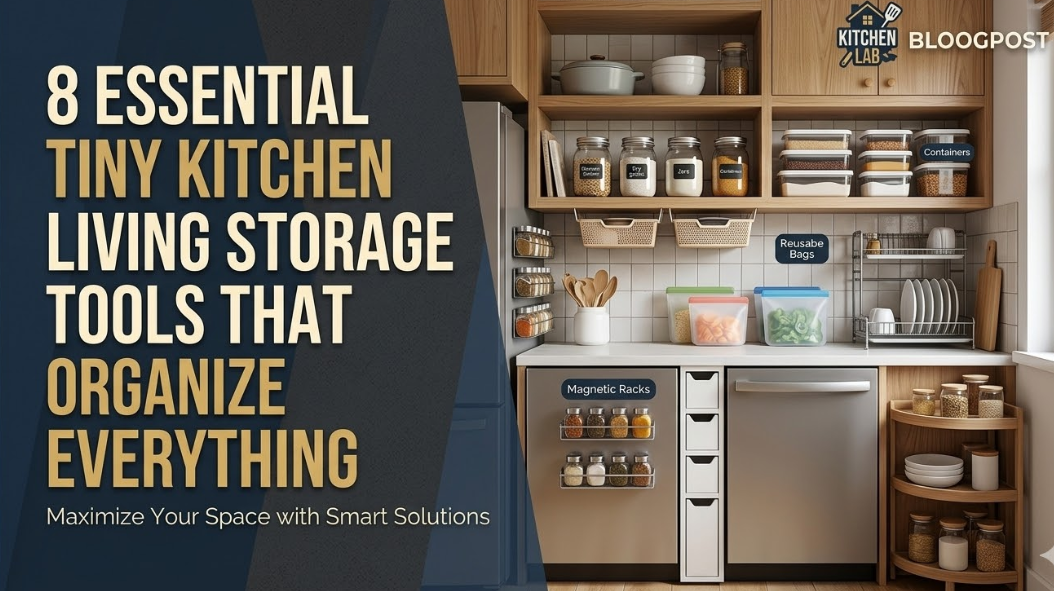
Moving on to the second upgrade, which is all about keeping seasonings handy without hogging counter space: a magnetic spice rack that sticks right to your fridge or a metal cabinet side. In tiny setups where the kitchen and living bleed together, counters are precious real estate that double as dining or work surfaces. I used to line up a dozen spice bottles along the edge, and it always looked messy, especially when guests sat nearby on the sofa. Plus, reaching for cumin while stirring meant knocking things over half the time. Enter the magnetic rack – mine is the Dr.BeTree model, a four-piece set that costs around twenty-five dollars and holds everything from small jars to bigger bottles. The magnets are surprisingly strong, gripping even through light fridge stickers, and the shelves are tiered so you can see labels at a glance. What makes this one smart is the way it uses the side of appliances you already have, pulling storage off the floor or counters entirely. In a kitchen-living combo, it keeps the visual flow clean – your fridge becomes a functional wall instead of just a plain white box.
Installation couldn’t be easier. Clean the surface with rubbing alcohol for max stick, peel the protective film if it has any, and press firmly for thirty seconds. No tools needed, which is perfect for renters who can’t drill. I arranged mine vertically on the fridge side facing away from the living area, so the spices are accessible during cooking but not staring at my TV setup. Load it with frequently used ones like salt, pepper, garlic powder, and maybe a few oils or vinegars on the larger tiers. One hack that worked wonders for me: transfer cheap bulk spices into uniform small jars with clear labels – it looks intentional instead of cluttered. The rack holds up to about ten jars per shelf depending on size, and the whole thing stays put even if you slam the fridge door. In my experience, this upgrade cut my counter clutter by half, giving me room for a small cutting board that doubles as extra prep space without invading the living side. People in similar apartments rave about how it turns the fridge into a command center for meals, making quick weekday cooking feasible without rearranging the whole room every time. Downsides? It won’t work on non-magnetic surfaces, but you can grab adhesive metal plates for about five bucks extra if needed. Compared to fancy built-in spice drawers that run over a hundred, this feels like cheating in the best way. Clean it by wiping with a damp cloth – the metal doesn’t rust easily if you avoid water pooling. After a month, I noticed I was actually using more spices because they were visible and reachable, which made my meals better and the whole living-kitchen vibe more relaxed. It’s one of those quiet wins that adds up.
The third upgrade focuses on that nightmare zone under the sink, where pipes and cleaning stuff battle for dominance. In tiny kitchens that share space with living areas, the under-sink cabinet often becomes the dumping ground for everything from dish soap to trash bags, and the mess somehow makes the entire room feel smaller. I couldn’t even pull out a sponge without knocking over bottles that rolled toward the living room rug. The fix is an adjustable two-tier pull-out under-sink organizer, like the Sevenblue model going for twenty-nine dollars. It’s got sliding drawers that roll out smoothly on tracks, plus height-adjustable shelves to fit around awkward plumbing. The plastic is sturdy, BPA-free, and the tiers keep things separated – top for sponges and scrubbers, bottom for bottles and gloves. What elevates this for kitchen-living setups is how it hides the ugly necessities completely while making them accessible, so your living space stays looking put-together even when the cabinet’s open for a second.
To install, measure the width and height inside your cabinet first – most of these expand from about twenty to thirty inches to fit standard sinks. Assemble the base if it needs snapping together, slide it in, and adjust the top shelf around your pipes. It took me fifteen minutes, and I used the included dividers to create compartments for different categories. Now, pulling out the drawer feels like a mini grocery aisle instead of a junk drawer. I store dish soap, spray cleaners, and even extra paper towels on the tiers, and the slide-out means no more crawling on the floor while half your body blocks the kitchen path. A personal tip: add a small tension rod across the back for hanging gloves or brushes – it costs another three dollars and prevents drips from soaking the bottom. In practice, this cleared up so much visual and mental clutter that I could actually use the cabinet for a few overflow pantry items without it feeling cramped. Friends with studio layouts love how it prevents that “what’s leaking under there” panic during dinner parties when the living area is full of guests. The only real downside is if your sink pipes are super low, you might lose a bit of the top tier height, but the adjustability handles most cases. It’s way cheaper than custom pull-outs that run hundreds, and it holds up to daily use without wobbling. Wipe it down monthly to avoid buildup from leaks, and you’re good. This one genuinely made my under-sink area feel like part of a functional kitchen instead of an afterthought, keeping the living flow uninterrupted.
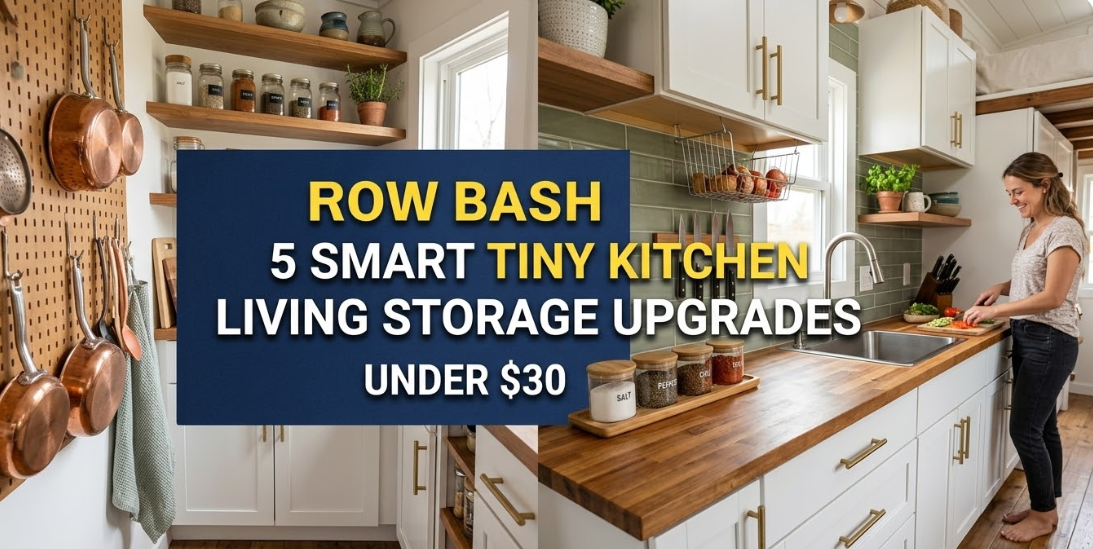
Fourth on the list is the wall-mounted pegboard system, which turns blank walls into customizable storage heaven. Tiny kitchen-living spaces often have unused wall real estate above counters or beside the fridge, and this upgrade lets you hang pots, utensils, and even small shelves without sacrificing floor space or blocking sightlines to your sofa. I grabbed a basic pegboard kit with hooks for around twenty dollars – something like the small plastic or metal panels from hardware stores or online sets that come with accessories. The board itself is perforated so you can rearrange hooks, baskets, and shelves anytime. It’s genius because it adds layers of storage right where you cook but keeps everything off counters and out of the living path. In my setup, it hangs on the short wall between kitchen and living, holding my most-used pans and tools at arm’s reach without making the room feel crowded.
Putting it up involves minimal effort. Measure your wall space – aim for a two-by-two foot section to start – and use the included screws or heavy-duty command strips for no-damage options in rentals. Mark level spots, drill or stick, and pop in the hooks. I hung S-hooks for pots, a small basket for utensils, and even a paper towel holder. The beauty is the flexibility; if you host friends and need the wall clear, you can shift things in minutes. Load it with lightweight items first to test weight – my cast iron went on lower hooks for stability. One trick that made it feel premium: paint the board to match your wall color with a quick spray can for under five bucks. It blends into the living area seamlessly instead of screaming “storage zone.” This upgrade freed up entire drawers and cabinets, letting me store less-used items deeper and keep the kitchen-living transition smooth. Users in compact apartments say it cuts cooking time because tools are visible and grab-and-go. Potential downside: it looks industrial if you overload it, so stick to a curated selection. Maintenance is just dusting the board and hooks occasionally. Honestly, seeing my pans neatly hung made the whole space feel intentional, like a real kitchen integrated with living instead of fighting it.
Finally, the fifth upgrade is stackable pantry bins with lids and handles for clear, organized food storage. When your kitchen shares the living footprint, bulky boxes and bags take over shelves and make everything look messy from across the room. These clear plastic bins, like the YouCopia two-pack stacking set for twenty-seven dollars at Target or similar Amazon options, let you stack vertically in cabinets or on open shelves without toppling. They have handles for easy pulling and lids to keep things fresh and pest-free. The transparency means you see contents at a glance, which is huge in tiny spaces where you can’t afford hidden waste. Smart for kitchen-living because they consolidate dry goods into neat towers that fit on one shelf, leaving room for the living area’s visual calm.
Setup is instant – just unbox, label with a marker or cheap stickers, and stack. Measure your shelf height first so the bins fit two or three high. I used them for pasta, rice, snacks, and flour, stacking in my single pantry cabinet. The handles make grabbing the bottom bin easy without unloading everything. A tip from experience: group by category – carbs on one stack, baking on another – and rotate stock to avoid expiration surprises. In my apartment, this cleared counter overflow that used to spill toward the sofa, giving breathing room to the whole area. It holds a surprising amount per bin, maybe ten pounds each, and the lids seal tight enough for freshness. Compared to expensive labeled canisters, these are practical and expandable as your needs grow. The only con is they can look plain if left out, but since they’re cabinet-bound, it doesn’t matter. Clean with soap and water as needed. After switching, my grocery restocks became faster, and the kitchen felt less like a storage closet invading the living space. It ties everything together by making food prep effortless.
Wrapping this up, these five upgrades – over-the-door organizer, magnetic spice rack, under-sink pull-out, pegboard wall, and stackable bins – cost less than a hundred and fifty total but multiplied my usable space dramatically. In a tiny kitchen that doubles as living area, they create flow instead of friction. Start with one that bugs you most, like the door clutter or sink mess, and build from there. I’ve combined them all now, and my studio feels spacious enough for actual relaxing on the couch after cooking. If you’re in the same boat, grab one this weekend – the difference sneaks up on you in the best way. Small changes, big payoff, no big spend required.